Build your own Classified Ads Platform

Acropolis of Rhodes

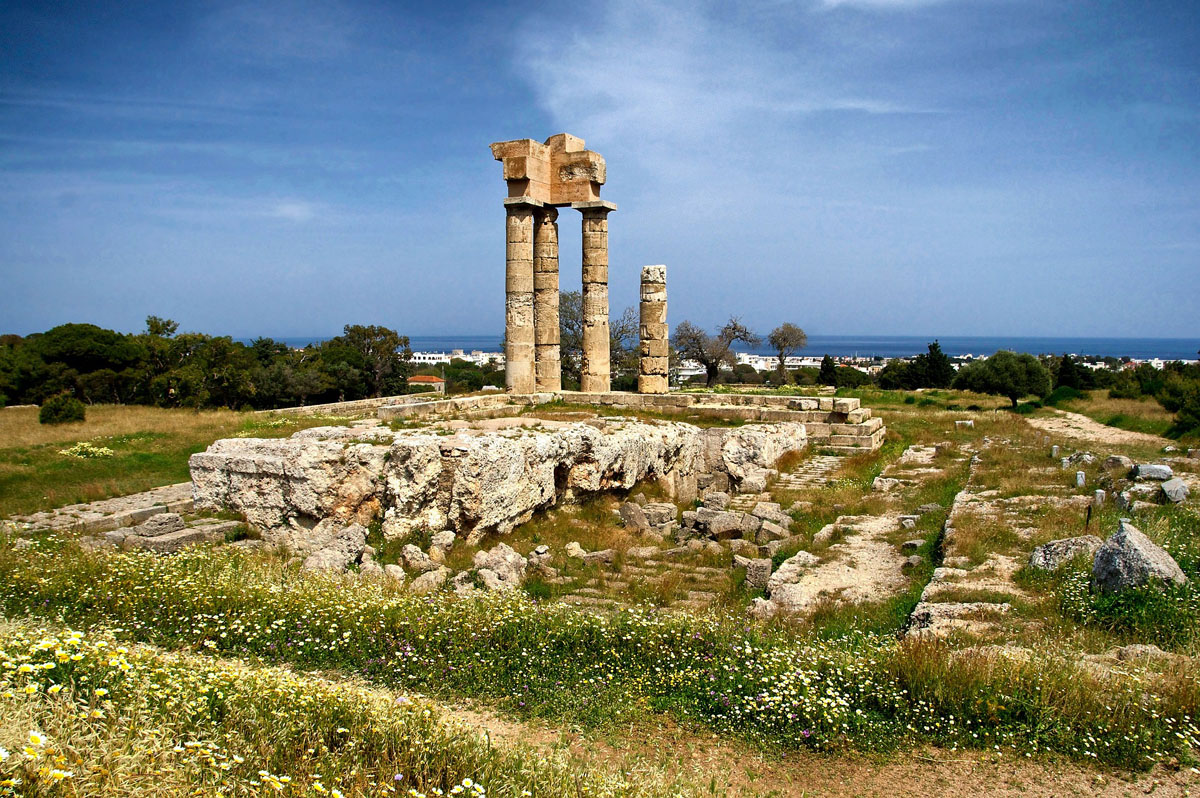
The Acropolis of Rhodes, and the Ancient Stadium of Rhodes, stands on the hill now known as Monte Smith giving a breathtaking view of the old and new town of Rhodes and to the coast of Turkey Located approximately 3 kilometers from the center of the city of Rhodes.
A few surviving remains of the Acropolis exist to provide an idea of its original grandeur but still, it is well worth a visit.
Structures at this site date back to the Hellenistic period (3rd to 2nd century BC). The partially renovated structures at the Acropolis include the Temple of Pythian Apollo, the Stadium, the Odeion and the Nymphaia. The excavations and restoration work began during the Italian governance of the island (1912-1945) and continue today.


Ancient Kamiros

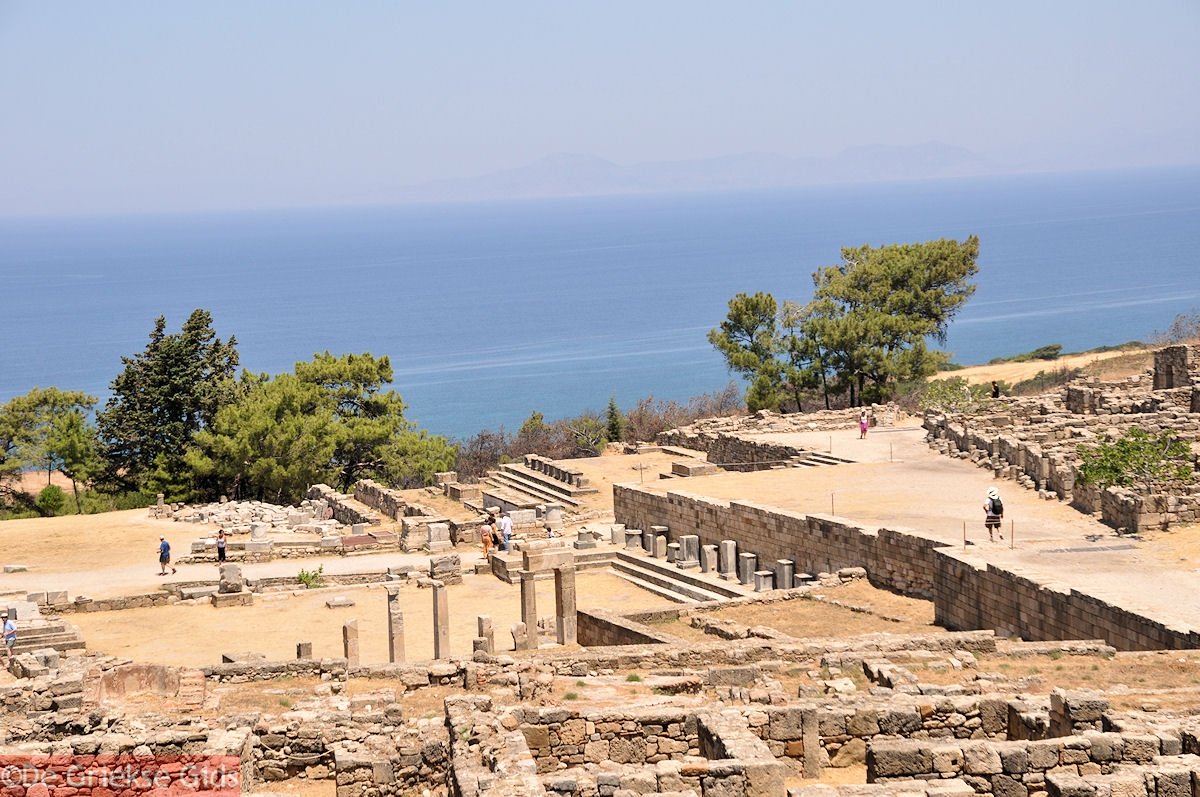
Kamiros is together with Lindos and Ialyssos, the three ancient cities of Rhodes, which in 408 BC all founded together the city of Rhodes which is the capital of the island.
The city of Kamiros was discovered by archaeologists Salzmann and Billiotti in 1859.
In the city of Kamiros one can see at its highest point, ruins of the Acropolis of Kamiros with the temple of Athena Kameirados, the aqueduct and on the lower level one can see the city of Kameiros, with its settlement in very good condition.
It flourished from the Archaic to the Hellenistic period and was one of the most important cities of the island. It is built amphitheatrically overlooking the sea and had no fortifications. Among other things, ruins of houses were found, the ancient Agora, a Doric temple, ruins of the aqueduct and ruins of the temple of Athena.


Acropolis of Lindos

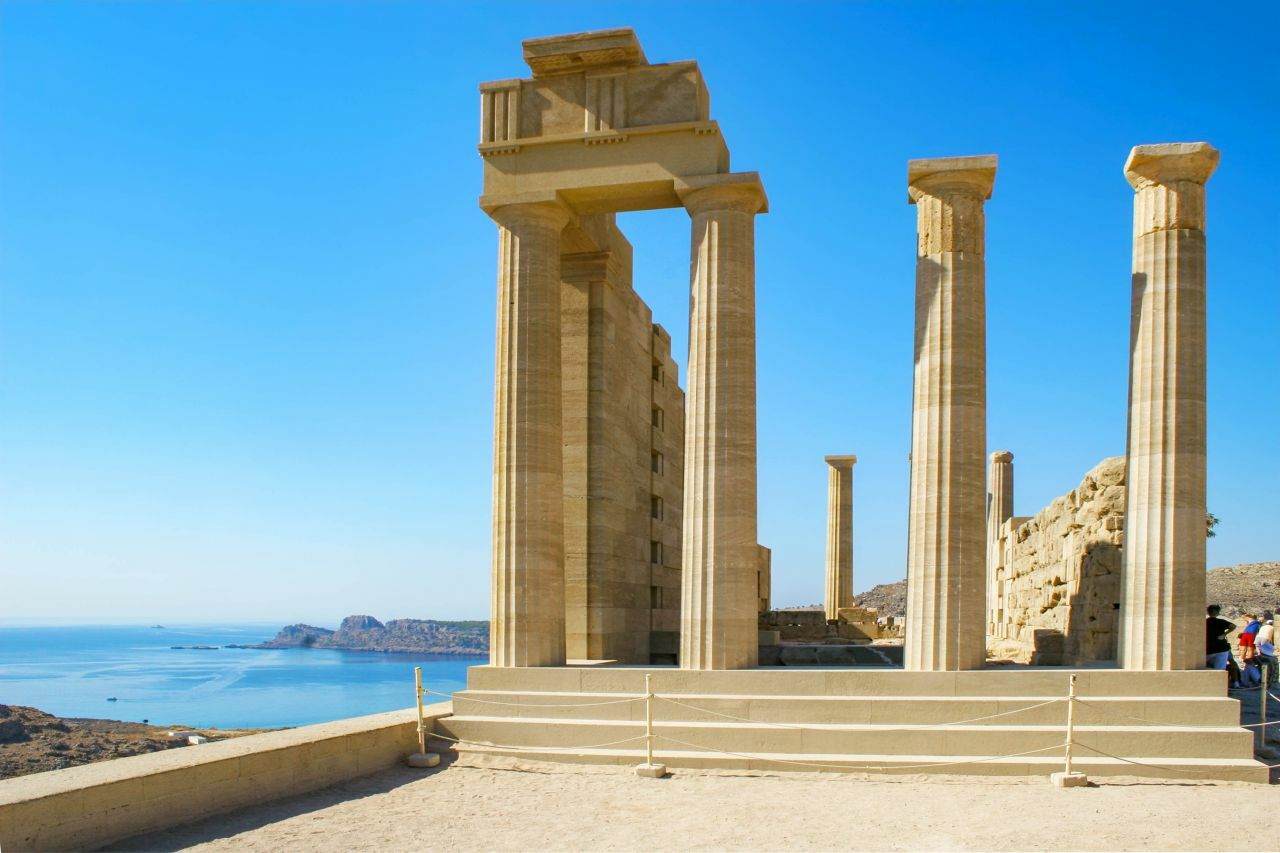
Lindos is one of the most ancient castles in the world and one of the most important archaeological sites of Greece, for most visitors the most impressive archaeological site on Rhodes. The Lindos Acropolis rising dominantly on a steep cliff at 116 m height overlooking the sea, and the traditional village of Lindos, that makes the Acropolis of Lindos the point with the best view on the island of Rhodes.
The gateways of the Sanctuary consists of a staircase and five-door openings. You will have the chance to see the relief of an ancient warship, called trireme, at the foot of the staircase. Apart from these, there is also a Roman temple dedicated to the emperor Diocletian and a Hellenistic wall that surrounds the Acropolis.
All these ancient sites are protected by a Medieval Castle, built in the early 14th century by the Knights of St John. Two towers of the castle are well-preserved till today. Outside the castle, on the southwest side of the will, there used to be an ancient theatre. Today the only remains of it are some rows of seats, part of the auditorium. It is believed that the theatre could host 1,800 spectators.

Rhodes Medieval Town

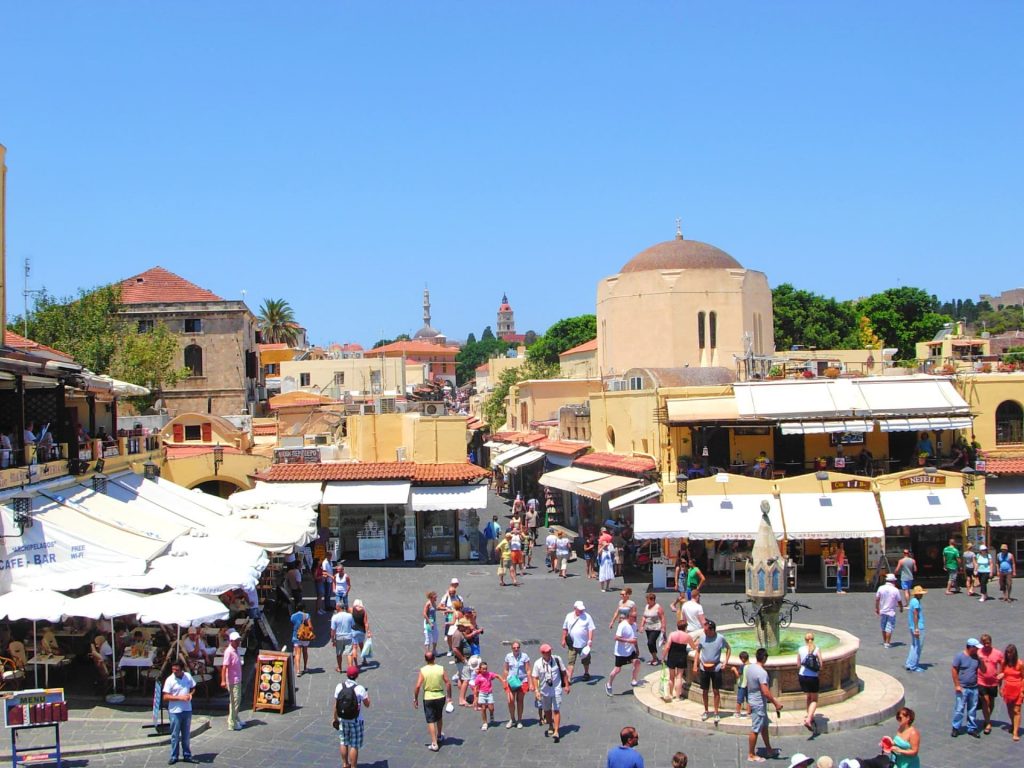
Rhodes Medieval Town was built by the Knights of Saint John, back in 14th century actually is a complete medieval city surrounded to this day by walls, is one of the best-preserved and most historical castles of the world and oldest inhabited medieval city in Europe, forms part of the UNESCO World Cultural Heritage network!
Rhodes Old Town was constructed according to the time’s architecture trends. This means that it was built according to the model of the Theodosian Walls of Constantinople.

In 1522, the Ottomans conquered Rhodes Town and the Knights of Saint John moved to Malta, after being defeated. The Ottomans did not break down the impressive walls of Rhodes Town. On the contrary, they fixed them and kept on maintaining them, during the following four centuries.
The construction of Rhodes Town’s fortress stopped in 1522. Since then, Rhodes Old Town remains almost untouched. This means the time has stopped in 1522 for this impressive Medieval Town.


Palace of the Grand Masters

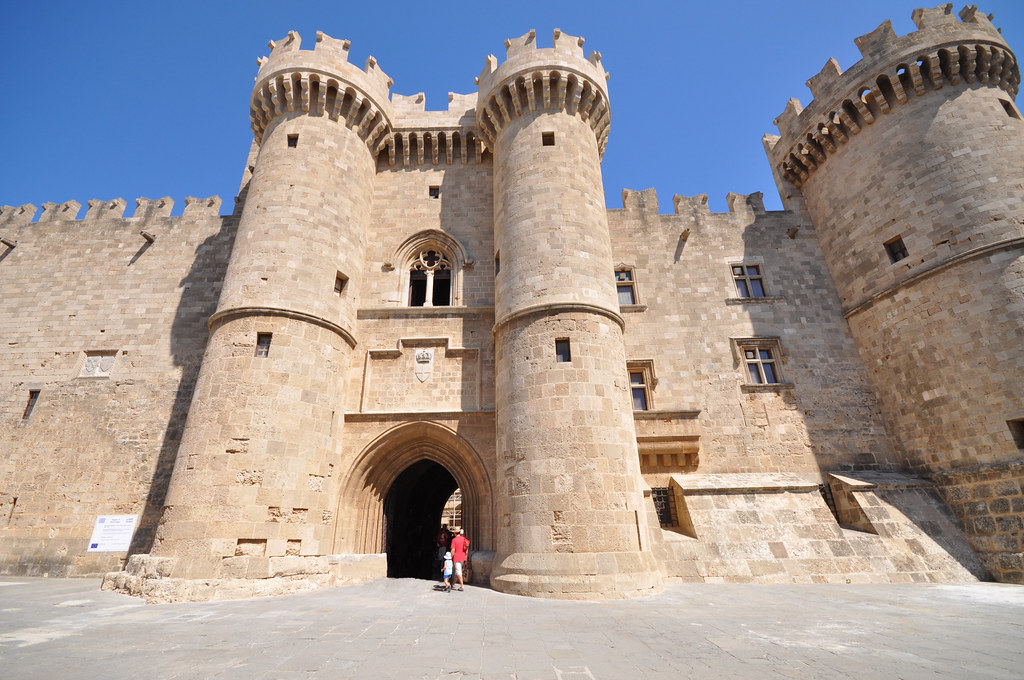
The Palace of the Grand Master, the administrative center of the Order of the Knights of Saint John, is probably the most significant monument of the medieval history of Rhodes and its occupation by the Knights.
It was restored during the Italian occupation (the 1930s) with its first floor boasting a remarkable collection of mosaic floors from the island’s monuments and a collection of medieval furniture, while, on the ground floor, the two permanent exhibitions offer valuable insights into the history of the city of Rhodes, from its founding in 408 BC until its conquest by the Ottomans in 1522.
 

Archaeological Museum (Hospital of the Knights)

The Archaeological Museum of Rhodes is hosted in the medieval building that was used as the Hospital of the Knights, also known as Knights Hospitaller.
The main exhibition consists of finds from Ialissos and Kamiros as well as a remarkable collection of statues.
Recent additions were the artifacts exhibited in the wings dedicated to the Epigraphic and Prehistoric collection of the museum and a small collection of ancient pithoi.
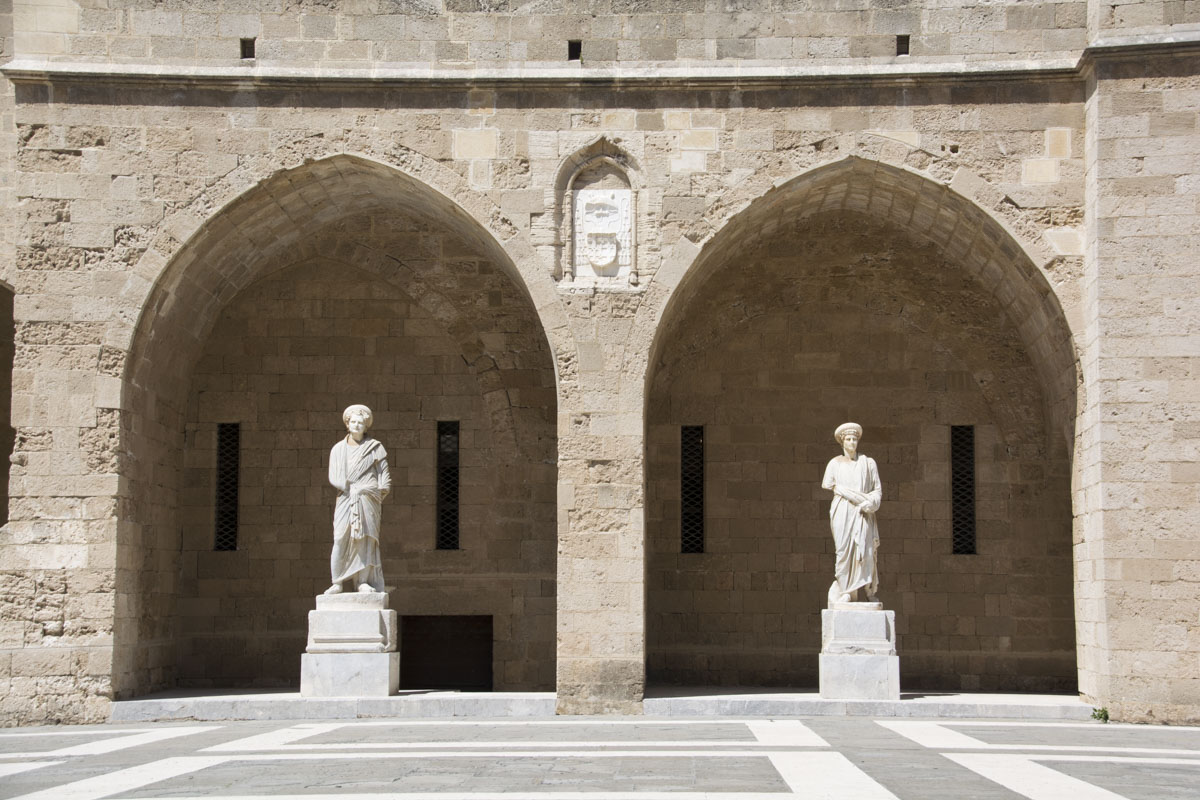
The museum also boasts a renovated historical courtyard where mosaic floors from Hellenistic villas are currently exhibited.


Süleyman Mosque

Rhodes’ Old Town bears many legacies from its Ottoman past. Many churches were converted to mosques during the Turkish era, and even more Muslim houses of worship were built from scratch, although most are now dilapidated.

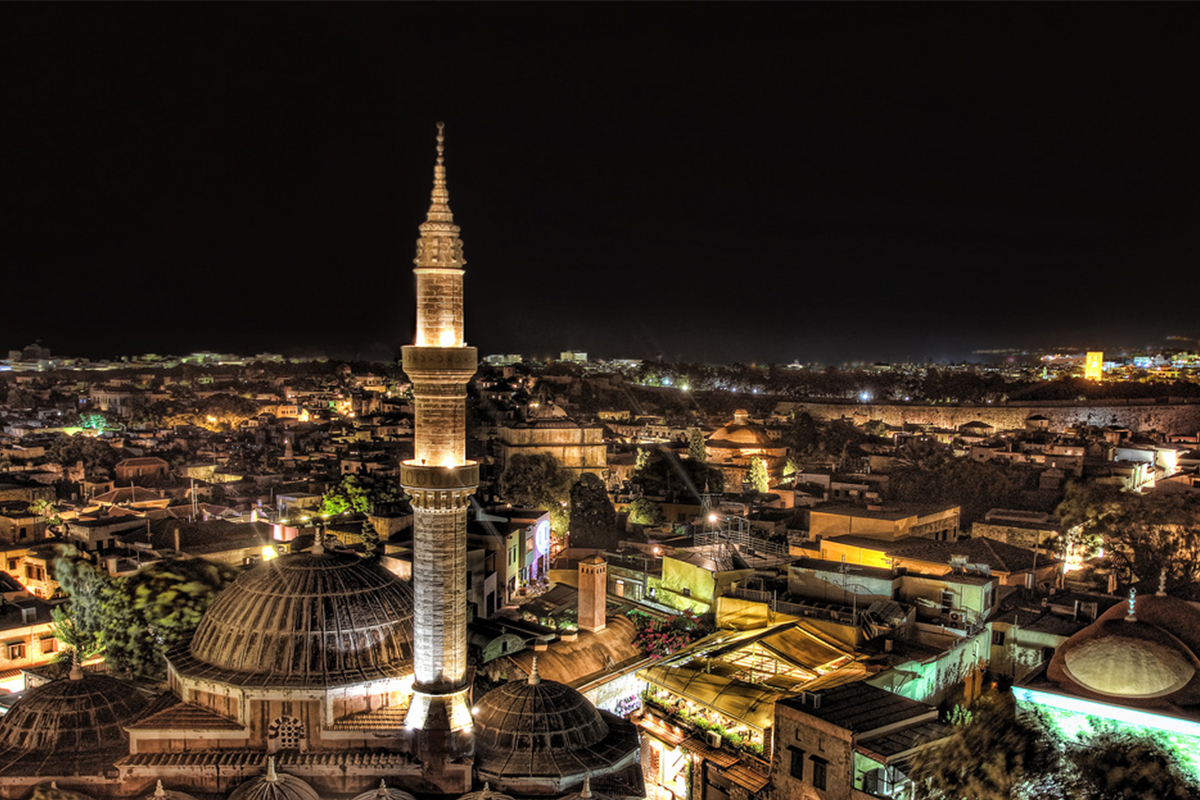
The most important is the pink-domed Mosque of Süleyman, beautifully located at the top of Sokratous.

Built in 1522 to commemorate the Ottoman defeat of the knights, it was renovated in 1808, but sadly is not open to visitors.
Roloi Clock Tower

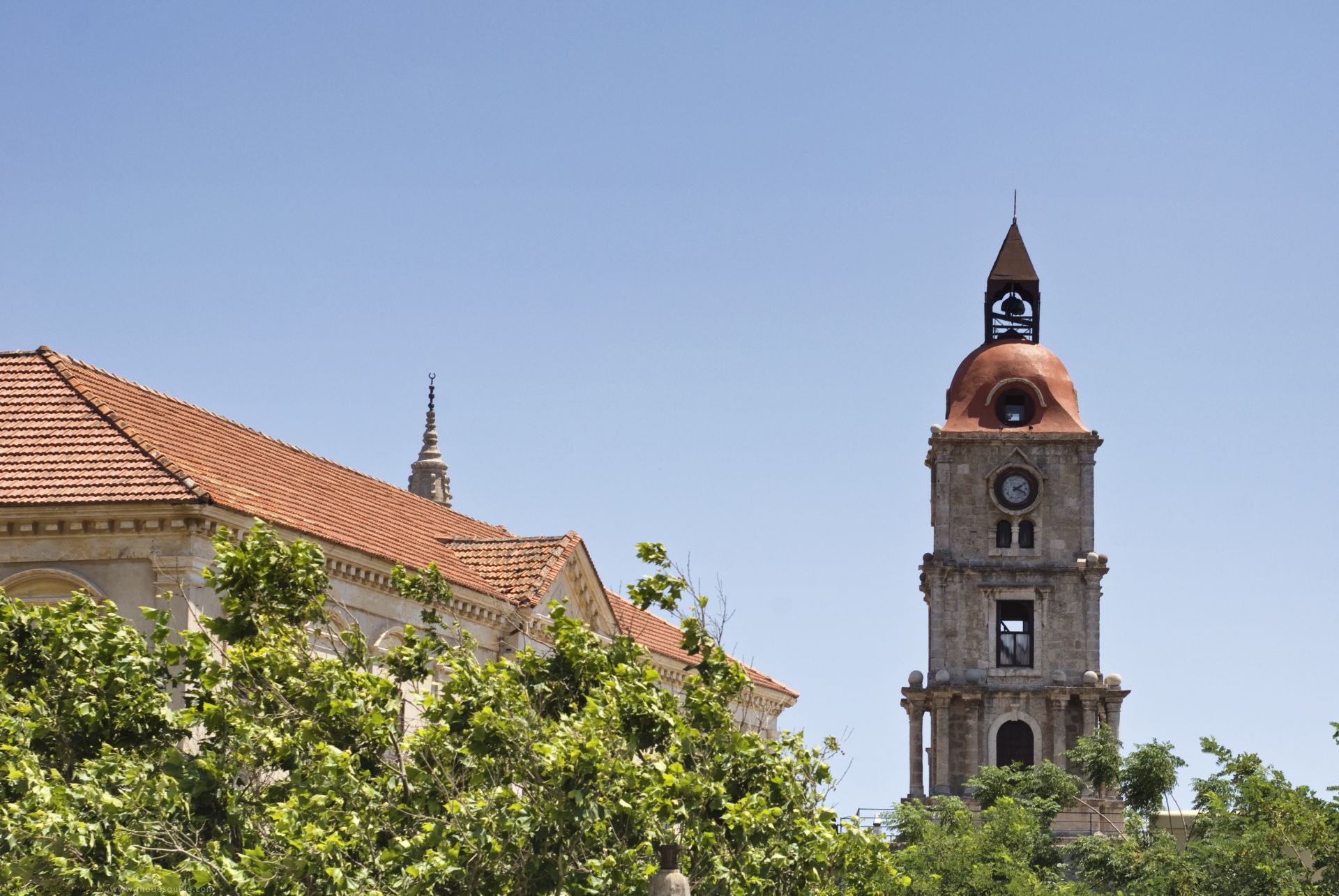
The Roloi Clock Tower was originally built in the seventh century. It was damaged in the 1850s and rebuilt. The newer clock tower features baroque elements, and the clock is perfectly operational.
The Clock Tower is the highest landmark in Rhode’s Old Town. In previous times, the clock informed Greeks of the Turkish time. This was important because the Turks had strict rules for who could enter and leave Rhodes. The exact timing was an important component of the rules.
Visitors can enjoy the delightful open-air cafe on the terrace; a cafe drink is included in the price. To enjoy the full experience, embark on a steep climb. Visitors can climb the 53 wooden steps to a small room with 360-degree views. As you climb, you will notice photos showing the restoration work that the clock tower has undergone.

Street of the Knights

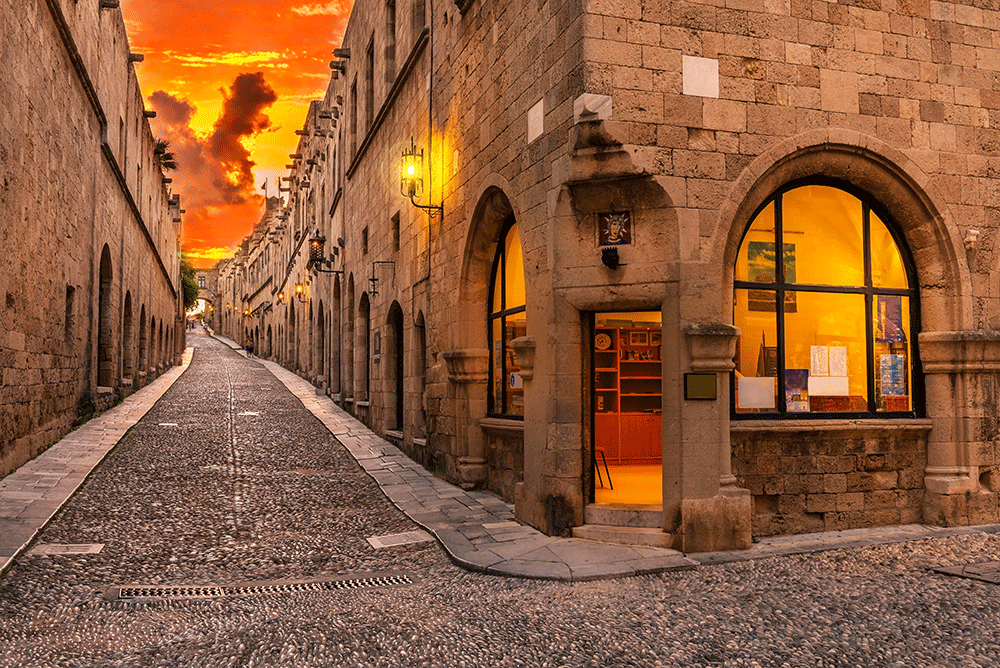
The Street of the Knights is one of the most popular destinations in Rhodes. This street runs almost exactly east-west. This ancient cobblestone street takes visitors back to medieval times.
Is one of the best-preserved medieval streets in Europe. The street runs from the square in front of the Knights’ Hospital to the Palace of the Grand Master.
Along the street, visitors will find seven inns representing the seven countries from which the Knights of the Order of St. John came. The knights came from England, Germany, Italy, France, Aragon, Provence, and Auvergne.
Most of the Grand Masters were French, and the Inn of France is the most impressive of the inns. These inns were all constructed in the early 1500s and have been exceptionally preserved. The Chapel of the French Langue is next door to the Inn of France. The Chapel boasts a sculpture of the Virgin Mary with Christ. In addition, the Chapel features a Coat of Arms belonging to Grand Master Raymond Beranger, who was Grand Master in the mid-1300s.

The ancient city of Ialyssos

The ancient city of Ialyssos, is together with Lindos and Kamiros the three ancient cities of Rhodes.
It is estimated that it was built in 1500 BC.
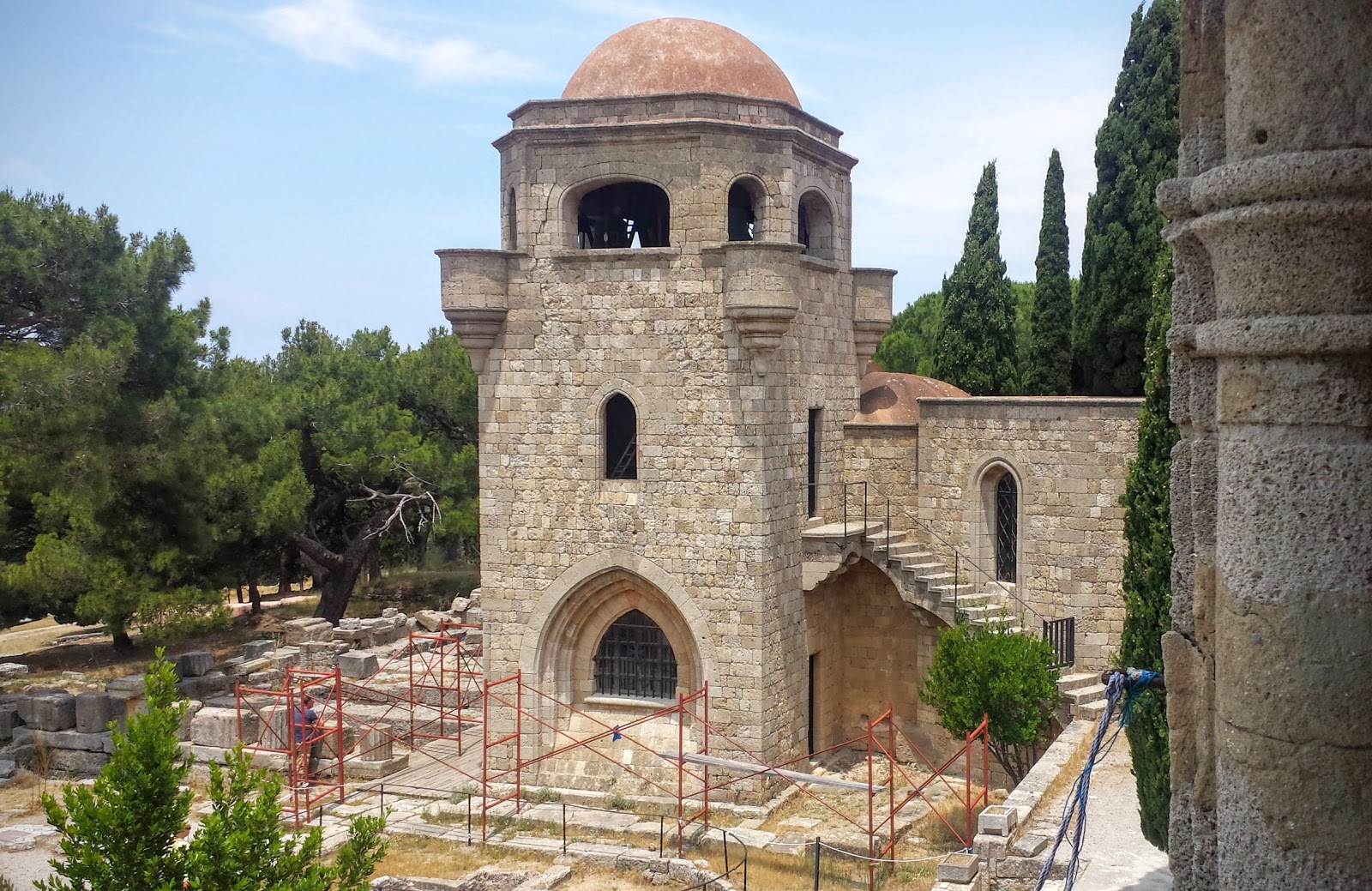
The main attraction is Filerimos Hill, where the Acropolis of Ialyssos is built, the Church of Panagia Filerimos and the road to Golgotha, at the end of which is the 16m high Cross.
Along the way we meet many Peacocks that beautify our route.
The view from the cross is unique, as we see the old airport of the island, which today functions as a military airport, the runway of Rhodes airport and if the weather is good we can see the beaches of Asia.

The castle of Kritinia

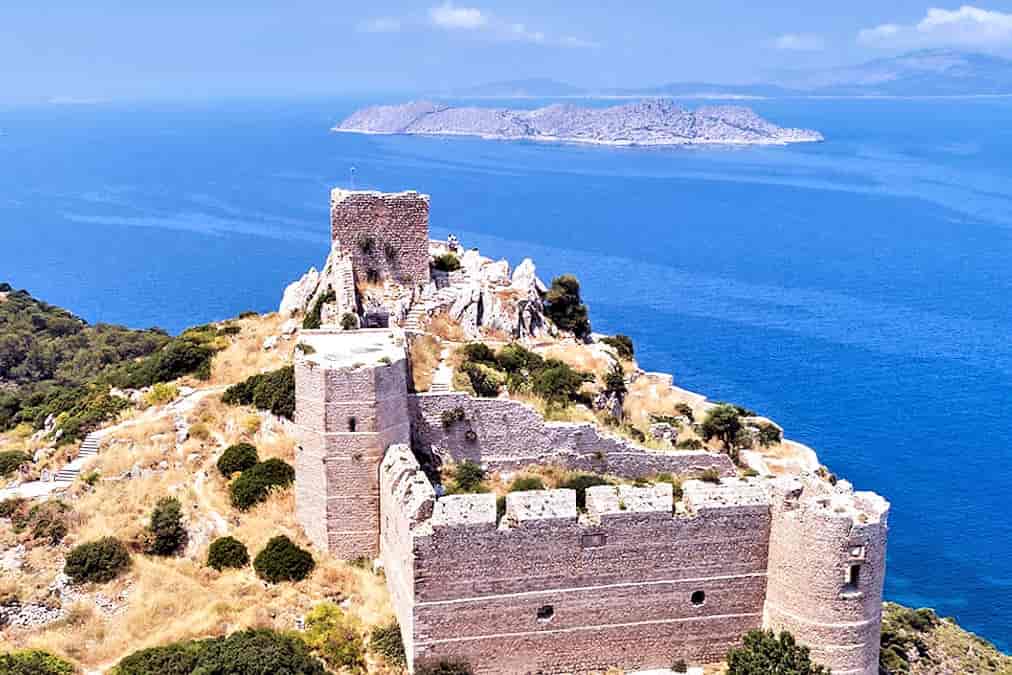
The castle of Kritinia is an imposing fortress, which was built in 1472 during the Knights’ period in Rhodes in order to protect the village from Turkish attacks.
Inside are ruins of the church of St. Paul, as well as coats of arms from the great Masters of Rhodes.
Its view is impressive as you can see the island of Halki and further back the coasts of Asia.
The castle of Kritinia is 55 km away from the city of Rhodes. It is built on a hill and has panoramic sea views. Initially, the settlement was coastal (in the current location of Kamiros Skala), but it was moved more mountainously, for more security by the pirates. The ancient settlement was finally submerged.


The castle of Monolithos

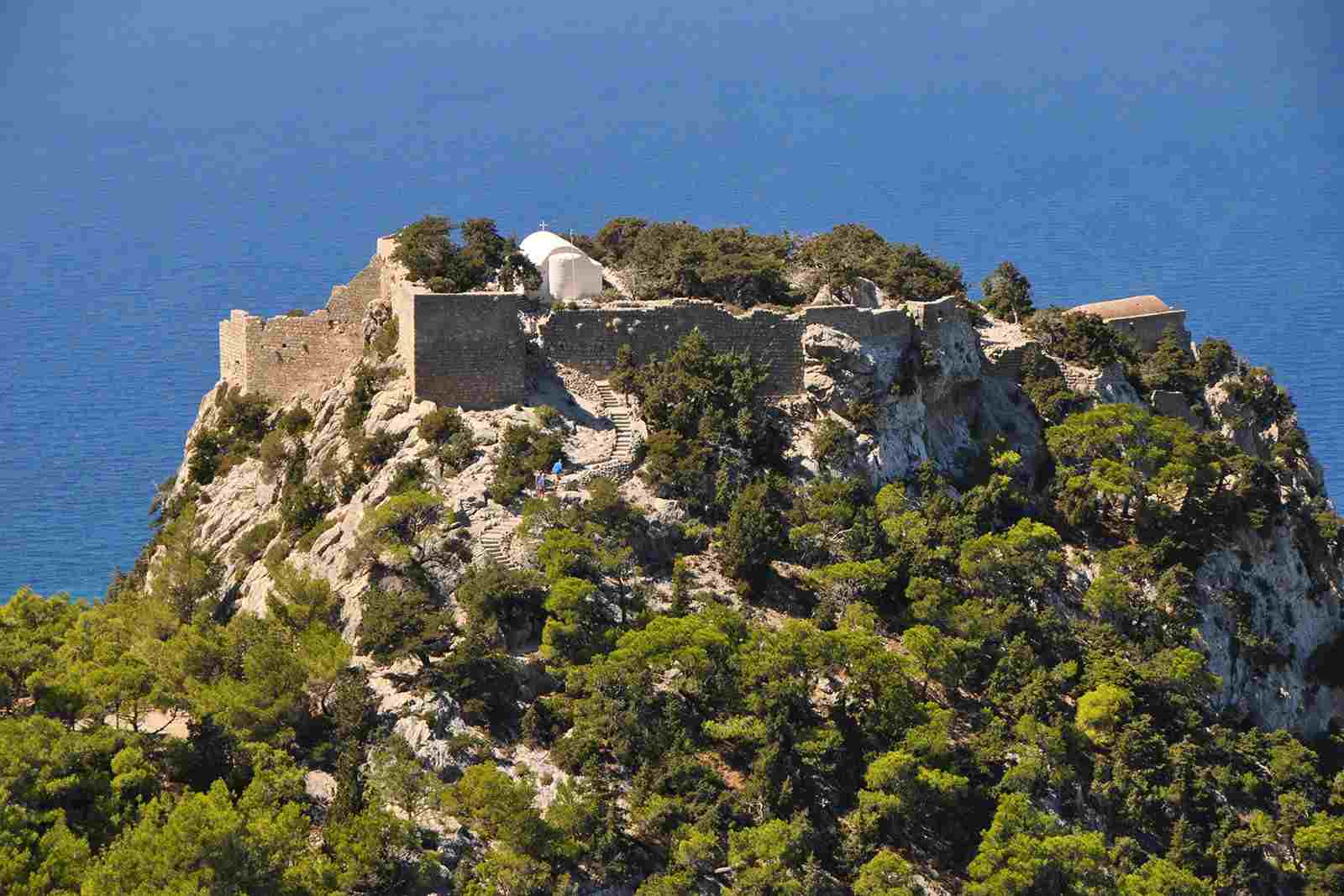
The castle of Monolithos is, perhaps, the most impressive of Rhodes and is located on a rock 236 m high, overlooking the sea and Halki.
It was built by the Knights of the Order of St. John, in the 14th century, in order to protect the villages from pirates. Inside there are two small churches, one next to the other, one ruined and one renovated by Saint Panteleimon, of the 15th century, parts of the towers and the galleries
The road reaches the root of the rock and from there goes up to the castle a path with stairs.
The outline of the fortress is maintained in a fairly good condition.
Some argue that the name Monolithos is not due to the rock on which the castle is built, but to a black monolith with metaphysical powers, brought by the Knights from the Holy Land.


Kallithea springs

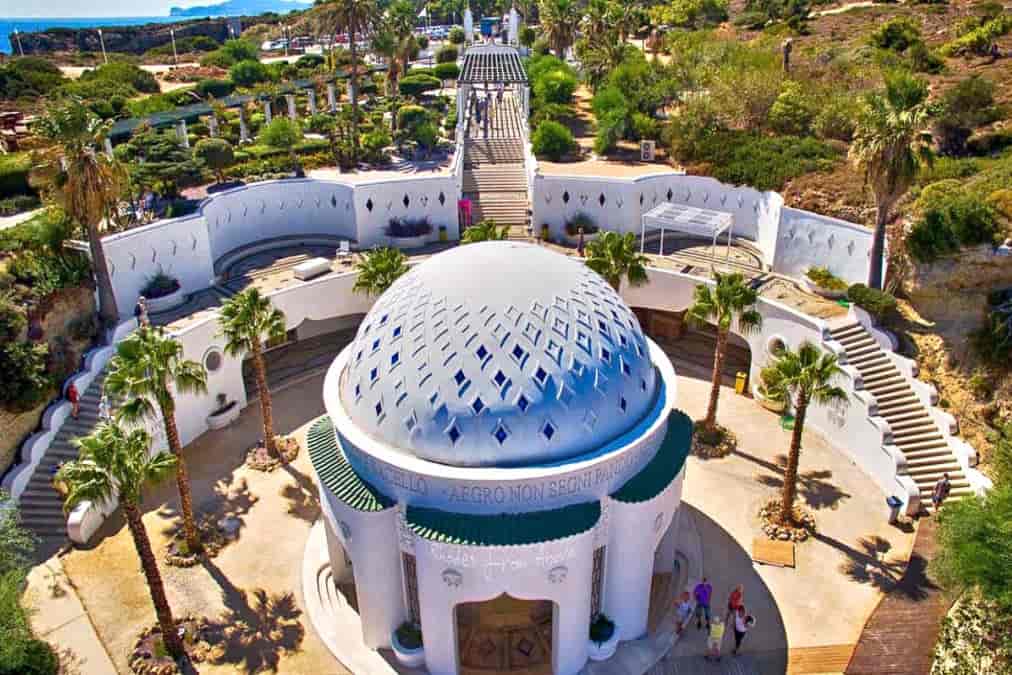
Kallithea Springs are situated in the Municipality of Rhodes, 9 km from the city of Rhodes.
The doors to the springs opened on July 1st 2007, after years of renovating the magnificent seaside Monument. This unique combination of nature, architecture and history offers visitors the opportunity to relish in a special experience. 
They were first used in 1930 during the Italian occupation.
Explore its various locations where several films were made with the most famous of all
“The Cannons of Navarone” with actors Gregory Peck and Telly Savallas 
It is worth swimming in the beautiful beaches of Kallithea which are also suitable for diving.